
Energy and utilities
The asset health factory.
Our agents read every oil sample, thermography route and turbine trend the hour it lands. They score each transformer and turbine, draft the work orders and give your planners a ranked list every Monday.


-
Readings
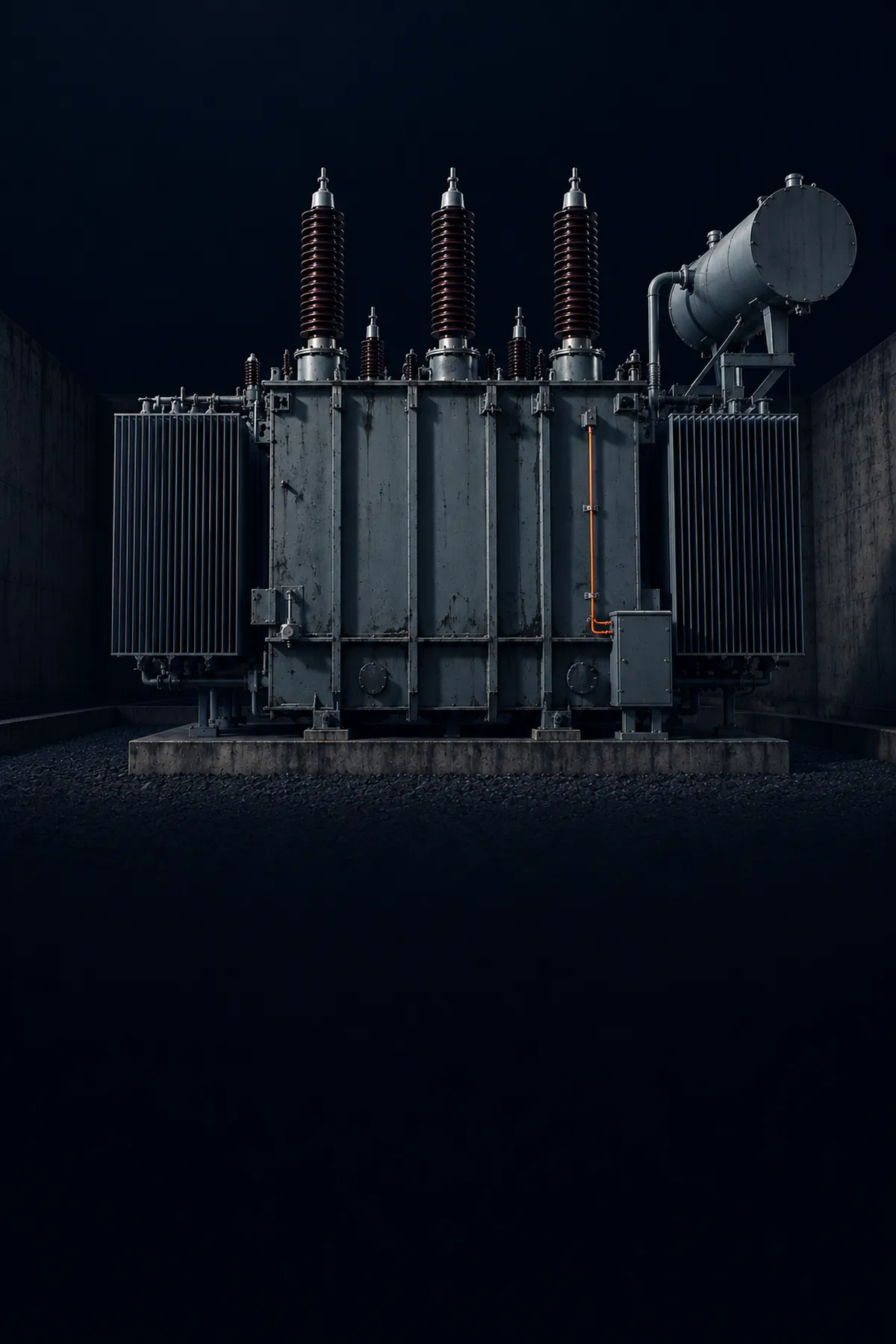
Transformer T4, built in 1976, through every source the agents read.
-
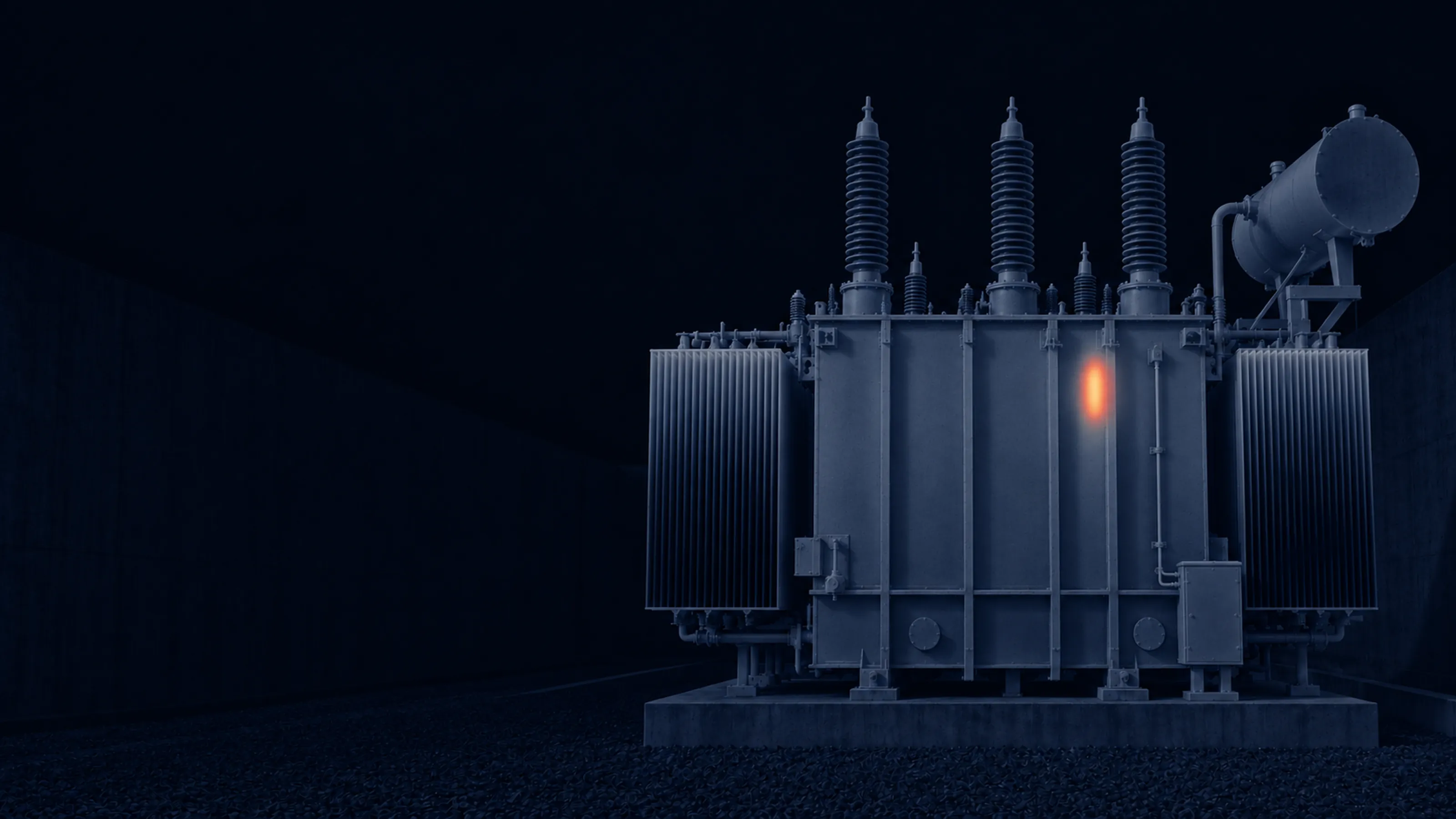
Thermography and load
April's thermal images show a patch on the tank 14 °C hotter than last year, hottest in the weeks load passes 110 %.
-

Oil sample
In Friday's sample, ethylene now leads the fault gases: Duval zone T3, a thermal fault above 700 °C.
-
Factory test, 1976
Against its 1976 factory test, read from a 1998 scan, phase B's winding resistance is now up 9 %, corrected for temperature.
-
Health index 2 → 4 of 5
Every reading is on record with the method release that scored it. An inspection is drafted for October.
-
Replacement case
A new 40 MVA unit takes about four years to arrive, so the replacement case opens today.
More sources
- Furan results, which track how far the paper insulation has aged, and moisture in the oil.
- Bushing power factor tests, tap changer operation counters and partial discharge surveys of switchgear.
- Protection relay records after every fault on the network, matched to the assets that saw the fault current.
- Crew and drone inspection photos, matched to the asset in your register.
- A sample that arrives twice, from the lab portal and by email, is scored once.
- An unreadable scan is logged as a gap against its asset. Nothing is filled with zeros.
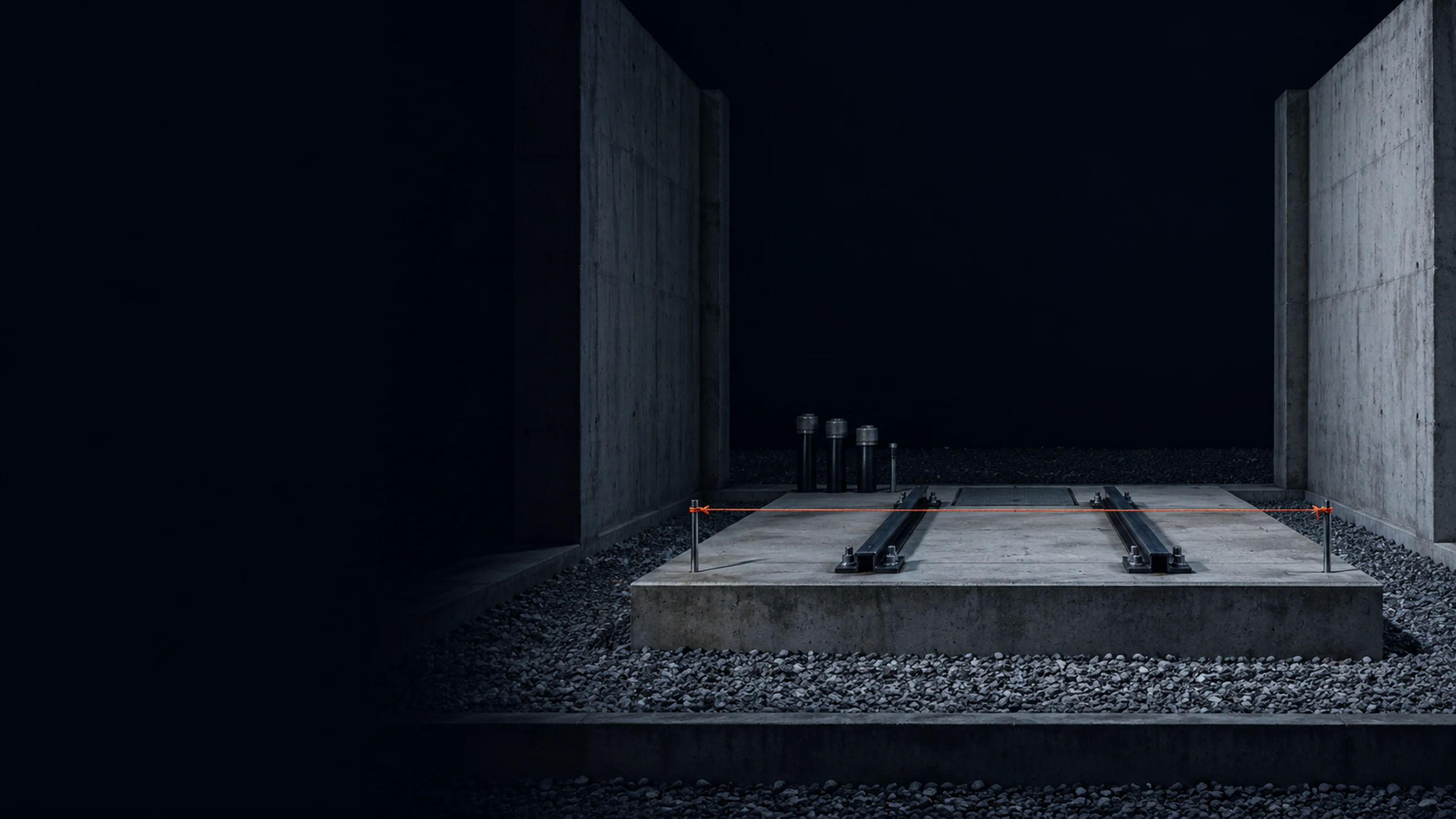
Replacement
Each replacement order is dated from the lead time suppliers quote today.
Each transformer's remaining life is forecast from its own load, oil and paper condition, and forecast again before every heatwave.
order_by = end_of_life(T4) - lead_time("40 MVA") - safety_marginT4 · order by March 2027
The replacement case
- Every sample, thermal image, test and work order on the asset since it was installed.
- The current quotes and delivery slots from procurement, refreshed when a supplier changes them.
- The risk of waiting: its health index against the customers it feeds, from your GIS.
- The run option, priced: lower load, monthly sampling and the date it stops being safe.
- Whether a strategic spare elsewhere in the fleet can cover the gap.
- Every forecast method is checked against the failures and teardown reports already in your records.
Work orders
Free-text notes become orders a planner can schedule.
They reach your CMMS every Monday, ranked by health and by the customers each asset feeds.
CMMS note, 2019
T4 noisy again, hot smell?? chk tap changer when poss
Draft
- Asset
- T4 · 40 MVA · bay 2 Asset register
- Task
- Inspect tap changer contacts, test phase B Note and readings
- Permit
- Isolate and earth both sides Permit system
- Window
- October outage, 2 days Planning calendar
The backlog
- Open orders older than a year are read again against the latest readings. Duplicates are merged, and orders the readings no longer support are closed with the reason.
- Failure codes are set from your code list, so your reliability reports count real failures.
- Nameplate and test data missing from the register are filled from scanned factory reports, each value linked to its page.
- Inspection campaigns are grouped by outage window, so a crew opens a bay once.

Rules
No order is released on an asset while a safety permit is open on it.
Your engineers set the limits and can correct any score. Each correction is tested on fifteen years of your samples before every agent uses it.
More rules
- Lockout and earthing steps are attached to every drafted order.
- A crane lift is never planned beside live-line work.
- A score from a sample past its shelf life is marked provisional and a fresh sample is requested.
- Every limit carries its source: the standard, its edition, or the engineer who set it and the date.
Turbines
Turbines are read every ten minutes.
A main bearing warming 4 °C a month faster than its neighbours opens a work order with its vibration spectra attached.
Architecture
-
Operating Code
IEC 60599, IEEE C57.104 and your limits as tested code.
- asset/register
- asset/dga
- asset/duval
- asset/thermal
- asset/scada
- asset/load
- asset/backfill
- asset/orders
- asset/permits
- asset/ageing
- asset/lead_time
- asset/release
-
Gate
Each agent has its own identity. None can operate equipment.
-
Your infrastructure
Next to your historians, or in Marbell Cloud in Switzerland.
-
Fleet
A lane per source, highest risk first.
For your engineers
- Operating Code is your asset engineers' judgment written as code: limits become if statements, the pass through a sample becomes a while loop, an asset's history becomes typed variables keyed on serial and location, and every limit has its tests. It grew out of the recursive self-improvement harness our own persistent agents run on.
- Every score records the method, its edition and the code release that produced it. Your auditor can rerun any asset under any release and get the same answer.
- A change to a limit ships when it passes on your fleet's past samples, at the speed the tests run.
- Agents read laboratories, historians and archives and draft into your CMMS. Gate grants each read for as long as you set, and a revoked agent is denied on its next request.
- No agent holds credentials to the control network or to any device that switches.
Systems
Read
- Oil laboratories
- Historians and SCADA
- Your GIS
- Scanned test reports
- Permits and lead times
Draft
- Work orders and the register in your CMMS
All systems
- Laboratories: LIMS and lab portals, online DGA monitors
- CMMS and EAM: SAP S/4HANA Asset Management, SAP PM, IBM Maximo, IFS, Hexagon EAM
- Historians: AVEVA PI, AspenTech IP.21, Canary
- Condition monitoring: bushing monitors, turbine condition monitoring systems
- Permits: your permit to work system
- GIS: Esri ArcGIS Utility Network, GE Smallworld
- Documents: SharePoint, OpenText, network drives of scanned reports
- Procurement and ERP: SAP S/4HANA, SAP Ariba, Oracle Fusion
Start with last year's oil samples.
Pick transformers or turbines. We replay last year's samples and orders, then run live for a quarter, paid against backlog cleared or planner hours saved.